Pharma & Drug Discovery
Essays and reports on how drugs get made, why it has become so hard, and where the industry is heading. Newest first within each section.
Drug Discovery & the Industry
AI is transforming drug discovery, but it won't be a cure-all
AI won't change the pace of biology, but it can change how fast we learn from it: cut the information and operational latency around experiments, and lift the industry's ~8% probability of success toward 15% through earlier safety calls, better molecules and better patient selection. As molecules become abundant, deciding which ideas deserve investment becomes the new bottleneck (LinkedIn post).
Dave Ricks (CEO, Eli Lilly) replies: AI will help conquer disease, but it needs time, effort and lots of data that doesn't exist yet, and robotic labs will make scaling that data more tractable (post on X).
Six Nanometers Apart
Argues that mapping the cell surface (which proteins are there, which sit next to each other, and where a bound drug travels next) can guide more precise medicines, using HER2's path from trastuzumab to ADCs as the worked example.
Benchmarking biopharma knowledge work
First results from a benchmark scoring AI models on six biopharma work products, from target safety assessments to commercial forecasts and catalyst calendars. Structured spreadsheet tasks go well; narrative and integration tasks are still hard.
Drug Discovery Has No Magic Wands
Argues AI won't transform drug discovery by designing molecules faster, because the real bottleneck is finding the biology that actually changes human disease. Critiques four "magic wand" bets (molecule design, literature-mined hypotheses, closed-loop lab automation, faster trials) and makes the case for mapping causal human biology (thread on X).
Keytruda: How Merck's Pembrolizumab Became the Best-Selling Cancer Drug of All Time
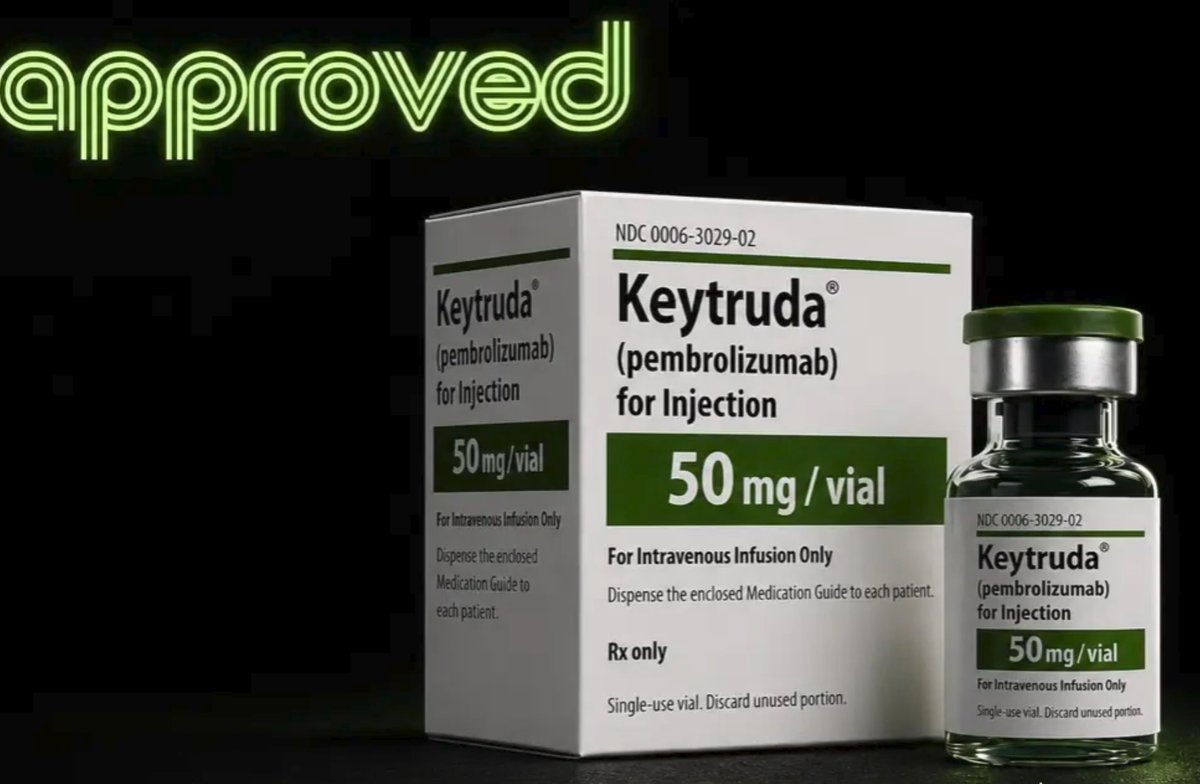
How a failed rheumatoid arthritis antibody at a small Dutch subsidiary became Merck's best-selling cancer drug: the checkpoint biology, the mergers and trial bets that shaped it, and what comes after the 2028 patent cliff.
The Approved podcast is a great listen. Highly recommended!
Listen on Apple Podcasts ↗ · Spotify ↗ · YouTube ↗ · David Shaywitz's thread on X ↗
Some questions about biotech that I find interesting
A thoughtful list of open questions on R&D productivity, how pharma companies are structured, why drugs fail, and the FDA.
The pharma industry from Paul Janssen to today
Why drugs cost orders of magnitude more to develop than in the 1950s, and what we can do about it: better disease models, more principled approval standards and cheaper trials.
Financial Engineering in Pharma & Drug Discovery
The ballad of TIGIT
How TIGIT, hoped to be the next Keytruda, drew billions in parallel trials from Roche, Merck, GSK and others, and how nearly every program failed. A case study in industry herding, and in good science that still doesn't pan out.
Everything Owl Posting, aka Abhishaike Mahajan, writes is both a delight to read and will leave you smarter for having read it.
Curious cases of financial engineering in biotech
A tour of the financial structures reshaping drug development: hub-and-spoke biotechs, royalty deals, priority review vouchers, CVRs and buyouts of failing biotechs. Asks whether all this pushes the industry toward legible, low-risk bets and away from the uncertain science behind real breakthroughs.
Watch with it: Can Financial Engineering Cure Cancer?
Lo's case for pooling many drug programs into "megafunds" so portfolio theory and securitization make early-stage biomedical research investable.
Cancer
Pancreatic cancer just met its match
On daraxonrasib, a RAS inhibitor that roughly doubled survival over chemotherapy in a Phase 3 trial for metastatic pancreatic cancer, and the molecular-glue approach that finally made "undruggable" RAS a target.
The Bad Side of Medicine Comes for Us All
How her father's multiple myeloma was caught early, and a case for early detection, including blood-based multi-cancer screening, against worries about false positives and overtreatment.